How the EAST framework helps us to design Social Behavioral Change Campaigns
At Bridge, we’ve learned something over time & experience about creating social change. “Awareness often isn’t the problem. Action is.”
People know what feels right. But knowing isn’t what drives decisions and actions. In places like Myanmar and across Southeast Asia, where life is uncertain, rapidly-changing, and very often pressured, that gap between knowing and doing is where behaviour change really lives.
This is where understanding behavioural science really plays a role.
A Simple Lens We Keep Coming Back To
One framework we often use to develop SBC strategies and campaigns is the EAST framework, developed by the Behavioural Insights Team.
The framework includes four elements - Easy. Attractive. Social. Timely.- to reflect on when determining how to make the shift from ‘knowing’ to ‘doing’.
It’s not complicated. And that’s the point. It pushes us to focus on the conditions around a decision.
Is this easy to understand and act on, right now?
Does it catch attention in a crowded space where people have to digest information constantly?
Does it feel social: like something people around me would do?
Does it show up at the moment I actually need it?
What That Looks Like in Practice
In Myanmar, behaviour is shaped by context: family, community, social pressure, and often, silence. Which means information alone rarely shifts anything.
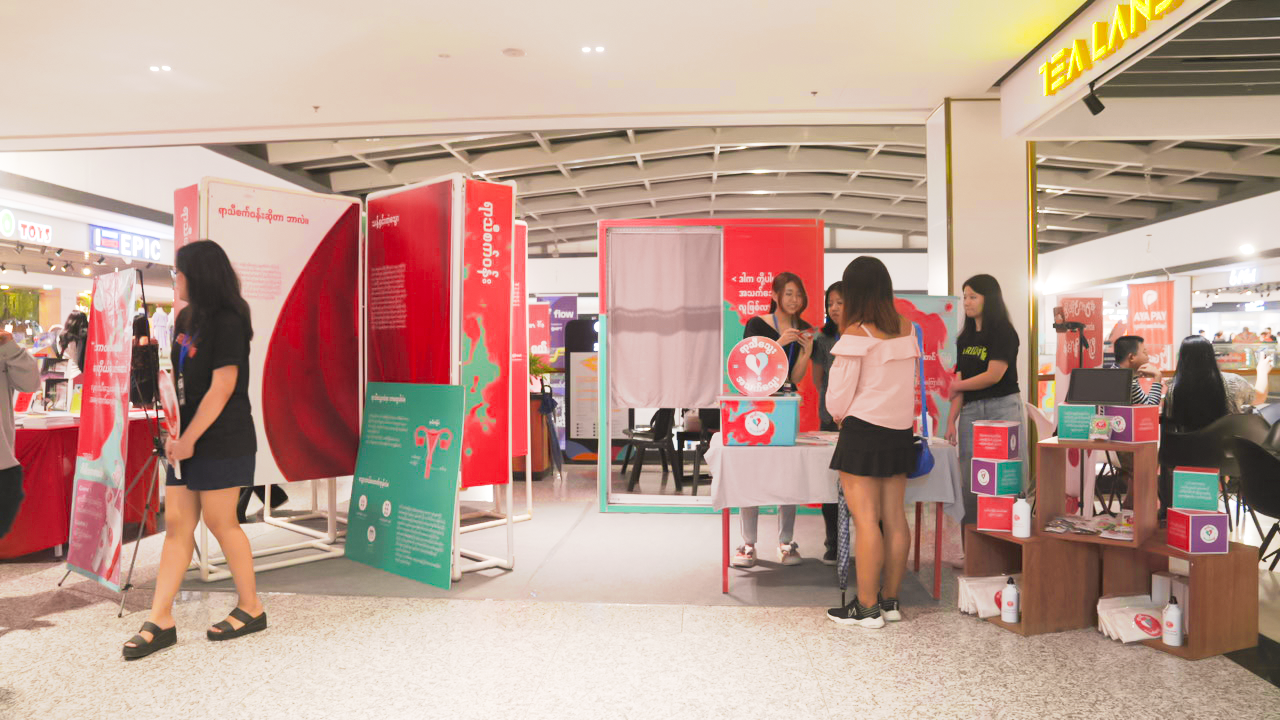
We’ve seen this across our work: from youth empowerment to mental health, and it became especially clear inLifeblood, our menstrual health awareness campaign withPan Ka Lay.
The challenge was STIGMA, not awareness. “Menstruation is still widely seen as something dirty or shameful: a belief passed down quietly through families and reinforced socially.”
So instead of asking ‘what do people need to know?’ We asked ‘what might actually shift how they respond in real life?’
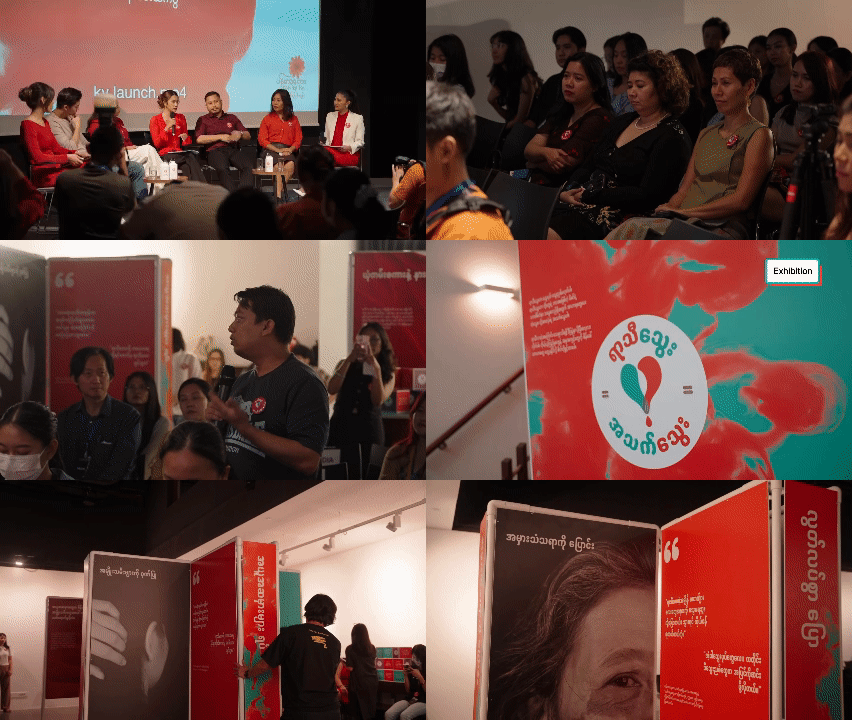

Using EAST in “Lifeblood” Campaign
Make it EASY to understand (and to engage)
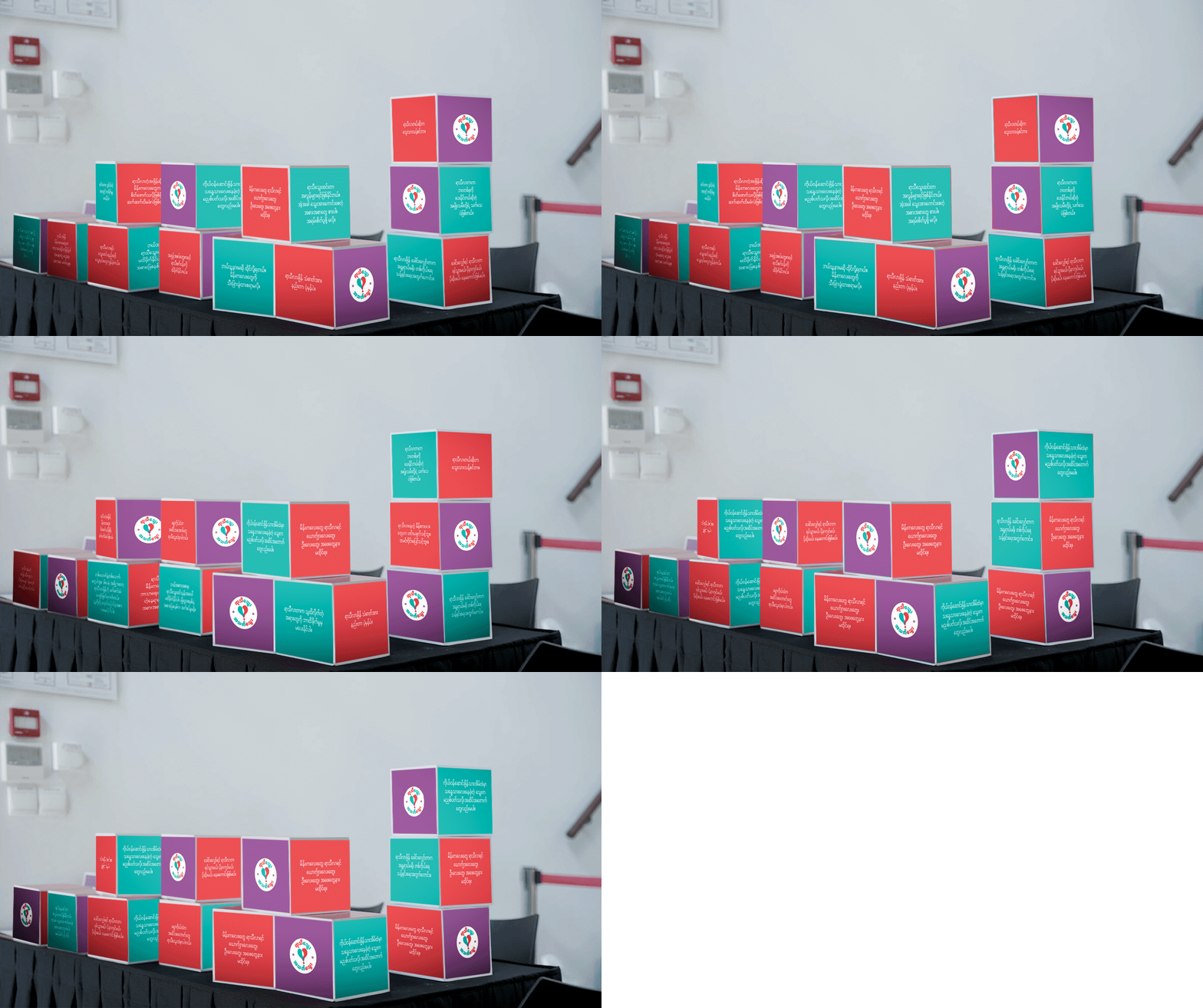
Menstrual health is often explained in ways that feel uncomfortable or overwhelming. So we simplified. Information was broken down into clear, accessible messages: what period blood actually is, what are myths vs facts.
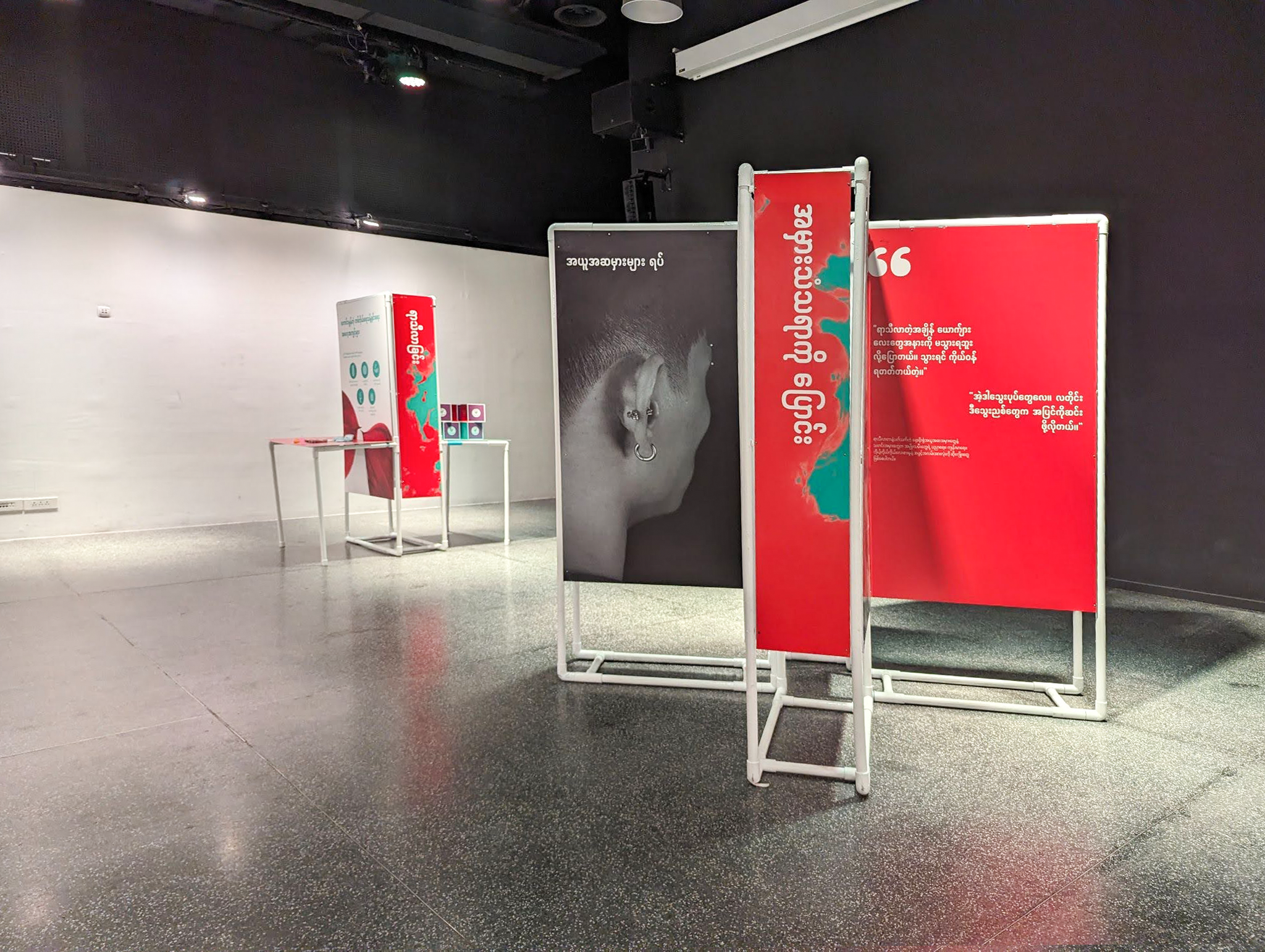
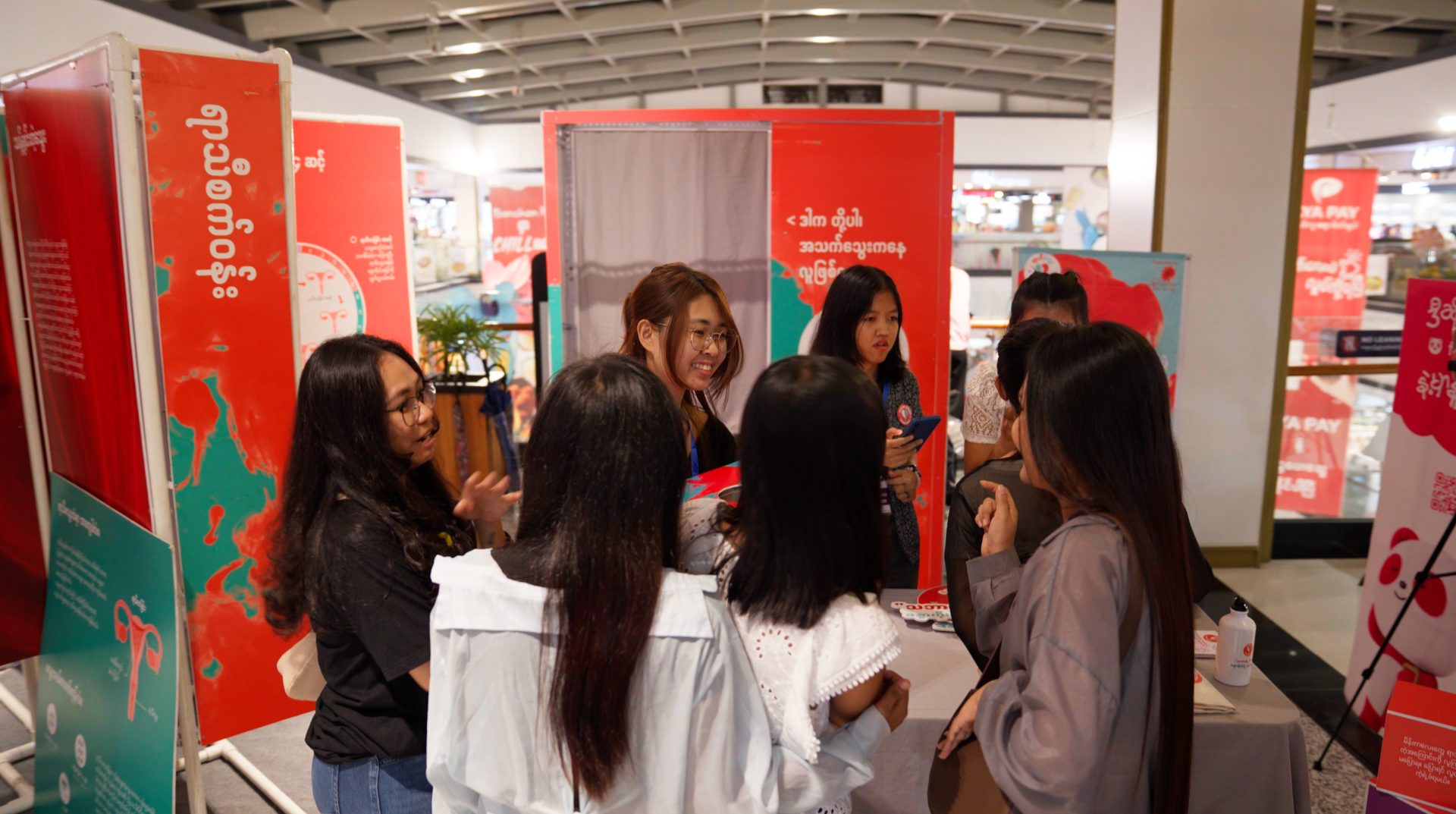
The exhibition itself guided people step by step, making it easier to stay than to disengage.


Make it ATTRACTIVE enough to rethink
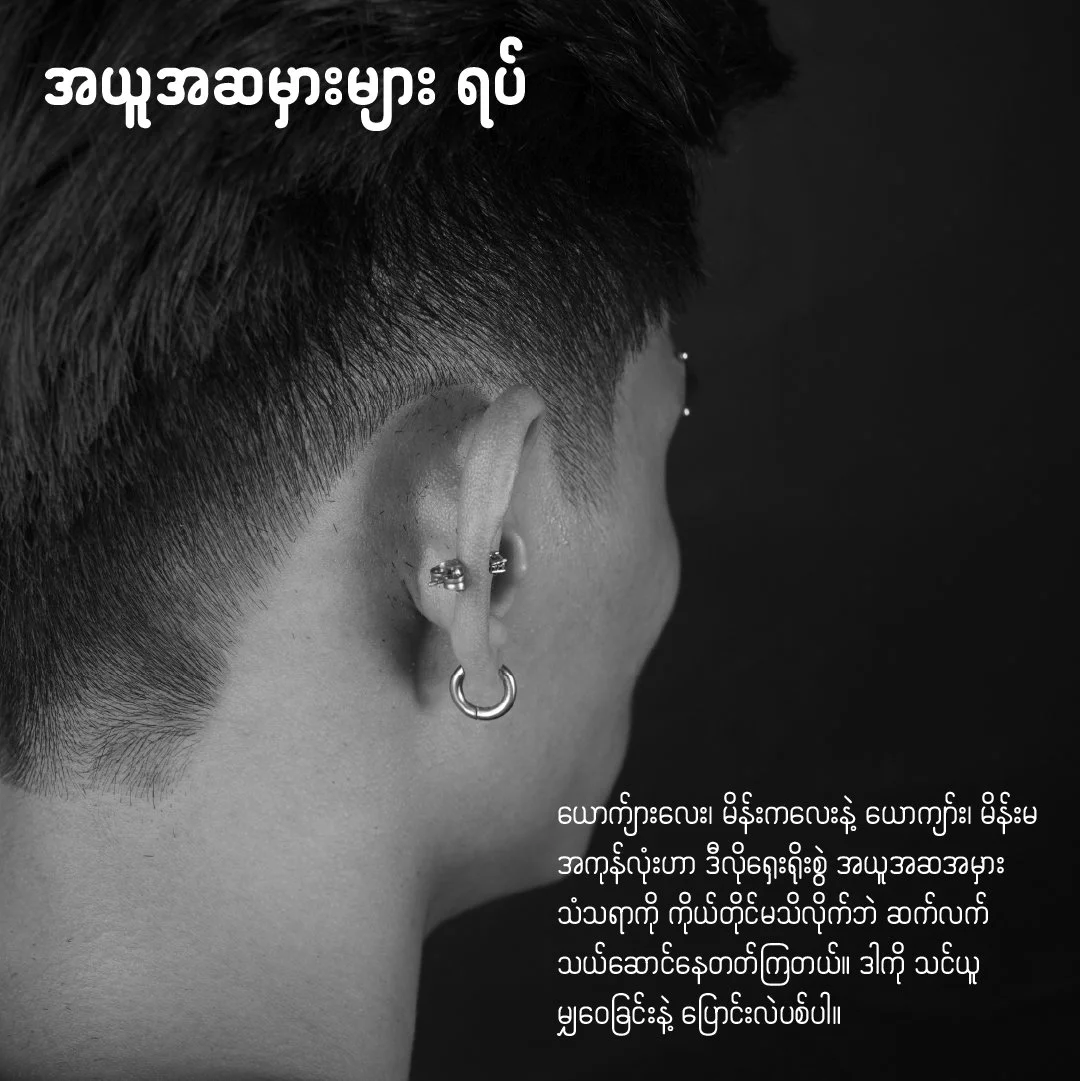
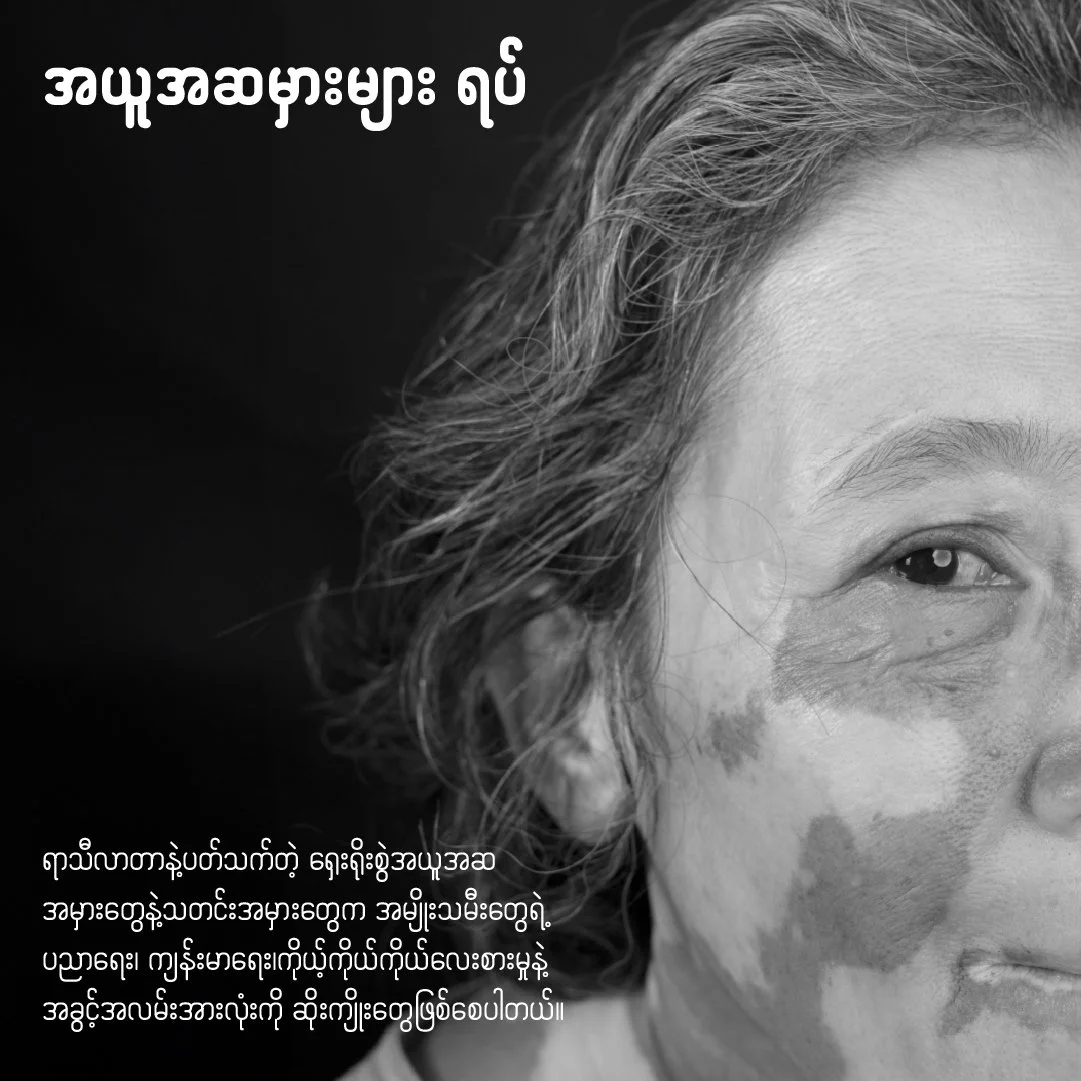
We found out that the biggest barrier wasn’t what people knew. It was how they instinctively reacted. So we didn’t just correct the idea that period blood is “dirty”- we reframed it.
The campaign leaned into RED as something powerful, natural, and life-giving through the concept of LIFEBLOOD, reframing blood as a source of life itself. Through bold design, visuals, and storytelling, the campaign made the color red and the idea of blood feel more positive, empowering, and visually attractive.








Make it SOCIAL because stigma is social
Menstrual stigma is shaped by:
mothers and aunties passing down beliefs
fathers and brothers reinforcing silence
peers normalising shame
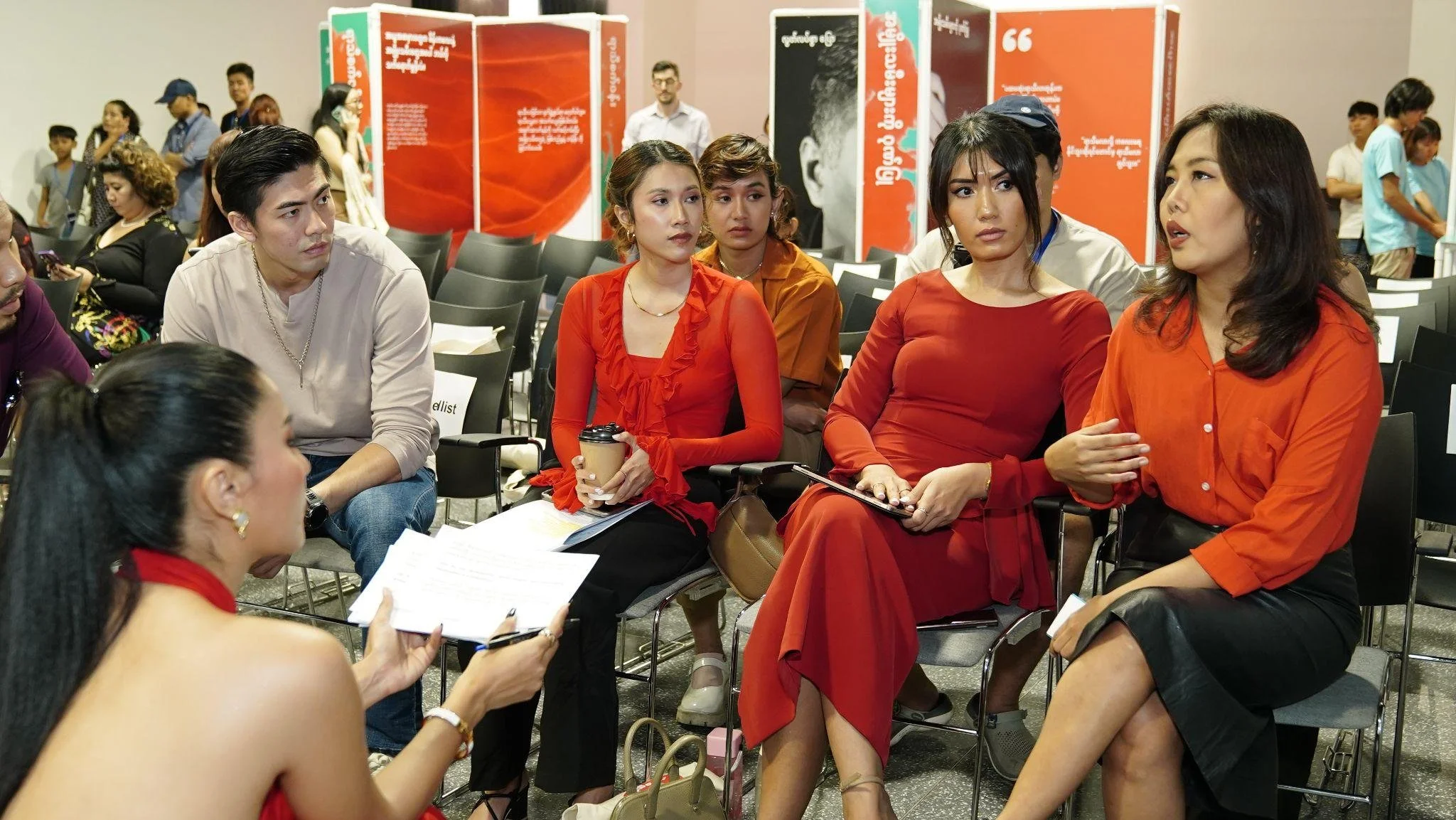
So the campaign spoke to all of them: not just girls. To make it more social, we worked with influential voices, from men, women, boys & girls,who could speak to and inspire the audiences shaping this stigma.
And it created ways for support to be visible, from shared content to simple participation moments.


Make it TIMELY: show up where it matters
Stigma shows up in specific moments:
A first period.
A comment at home.
A joke at school or work
So the campaign built a system around:
Each channel and activity engaged with people at a different point, closer to where real decisions and reactions happen.
What we’ve learned
EAST is one of many models that can be used to design behavioural change strategies. We find it helpful as it reminds us that:
Simple beats complicated messaging
Sentiment matters as much as information
Behaviour is influenced by people around us
The right timing makes people act
And most of all, change doesn’t come from what we say. It comes from how people experience it.
Reach out to us at info@bridge.com.mm if you need help to drive social change, whether it is through a 360 campaign, IEC materials or effective messaging as part of your existing programming.