
A Simple Guide to Animation: Choosing the Right Style for Your Story
Animation is one of the most effective ways to explain complex ideas. Whether you’re creating a digital campaign, an e-learning course, an explainer video, or a report, animation can turn dense information into something clear, engaging, and easy to follow.
It can make numbers more visual, explain processes step by step, and tell human stories without showing real faces—an important consideration in many humanitarian and development contexts. However, not all animation works the same way. Understanding the difference between animation styles helps you make better decisions around storytelling, timelines, and budget.
Most animation projects fall into two main categories: Motion Graphics and Frame-by-Frame Animation.
Motion graphic

RBF Animaiton for ADB Frontier
Frame-by-Frame Animation

“Wine Wine” Animation on Emotional Wellbeing for Children, Shii Nay Mal Campaign
Type 1: Motion Graphics Animation
Motion Graphics can be thought of as moving graphic design. This style uses software to animate static elements, such as text, icons, illustrations, and charts, by defining start and end points. The computer then creates smooth transitions between them.
A common misconception is that Motion Graphics is only used for text or graphs. In reality, it often includes illustrated characters and visual storytelling. For example, a character can blink, wave, or point to a number on screen. These movements are simple but effective, helping guide attention and support learning without the heavy production time of traditional animation.
Because of its efficiency and flexibility, Motion Graphics is widely used in educational videos, online training, e-learning content, and digital communications, where clarity, accessibility, and timeliness are essential.
Best for:
Explainer videos, data visualisation, e-learning modules, and educational content that needs to be clear, scalable, and budget-friendly.
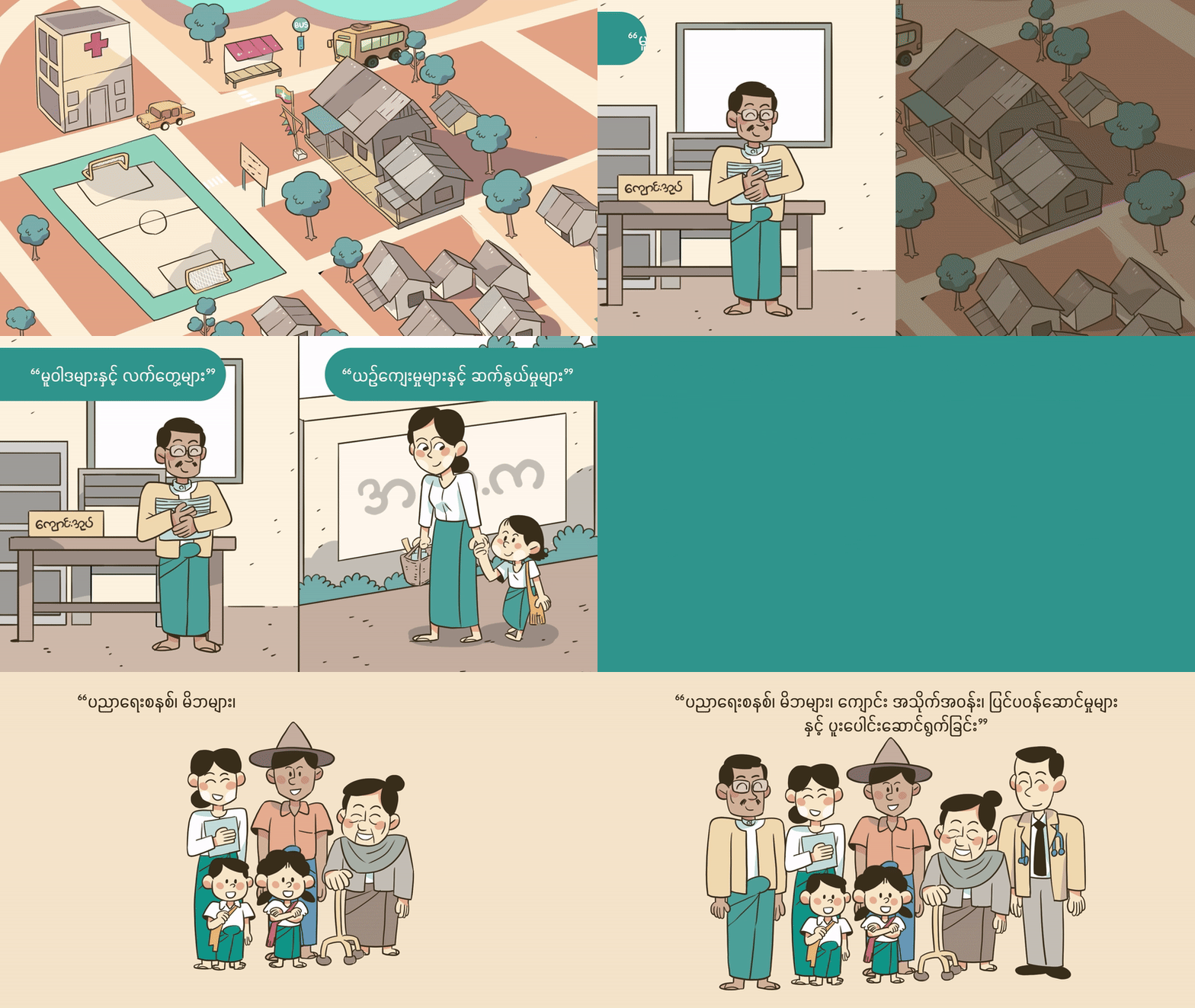
E-learning course material on Social Emotional Learning for Teachers, UNESCO Myanmar
Type 2: Frame-by-Frame Animation
Frame-by-Frame Animation is the traditional, hand-drawn approach commonly seen in classic animated films. In this style, every single movement is drawn individually. For a character to turn their head, the animator draws 12 to 24 separate images to show one second of that action.
Because each frame is handcrafted, the movement feels organic, expressive, and uniquely human. These are things that computers cannot easily replicate. This approach allows for deeper emotional storytelling and distinctive artistic styles, but it also requires more time and budget to produce.
Frame-by-frame animation is often chosen when emotional connection, atmosphere, or a strong artistic identity is central to the story.
Best for:
Emotional narratives, character-driven stories, smooth transformations, and projects that require a handcrafted, artistic feel.
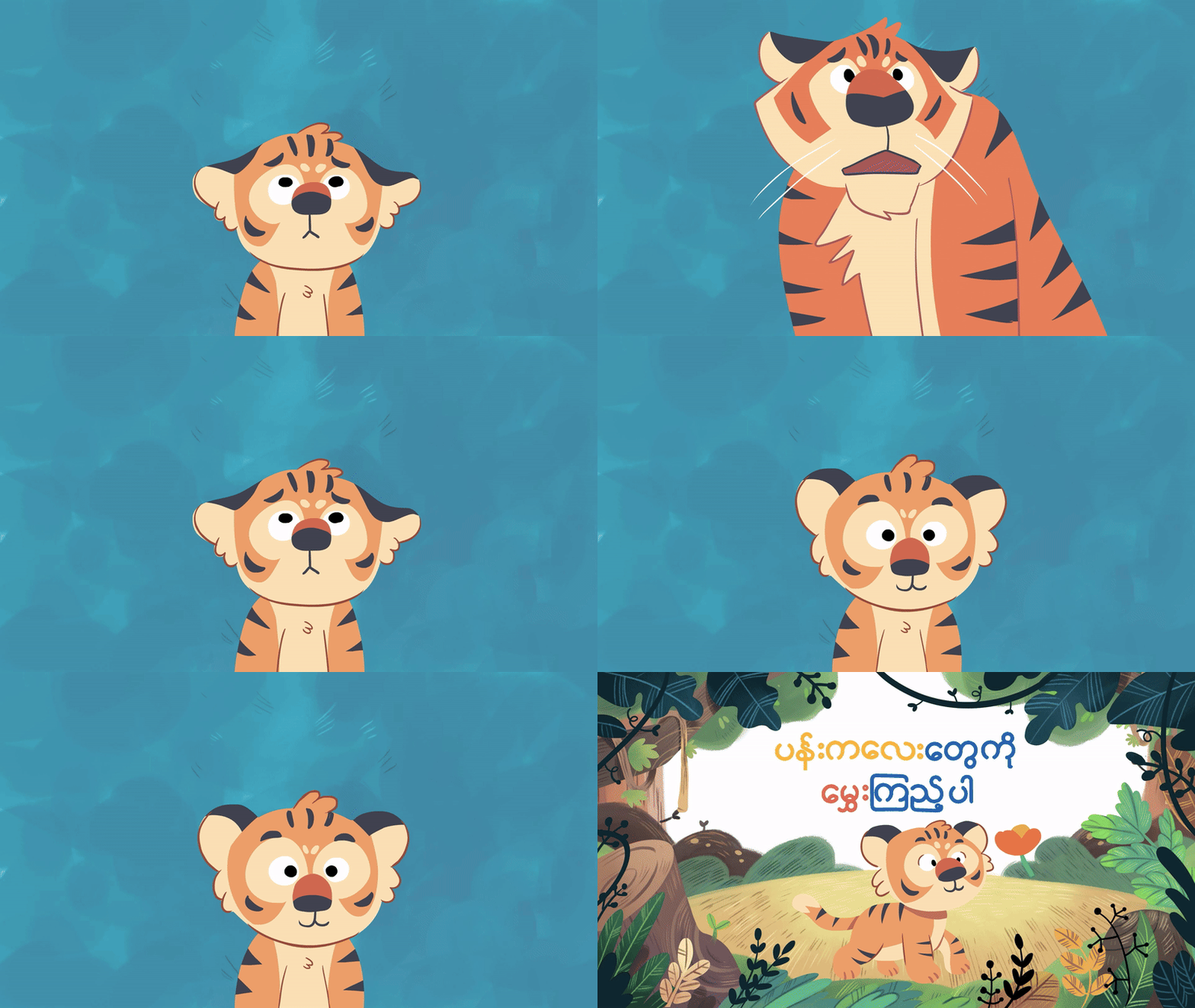
“Smell the flowers” Animation on Emotional Wellbeing for Children, Shii Nay Mal Campaign
The Animation Process
No matter which animation style is used, a clear production process helps ensure quality and accuracy.
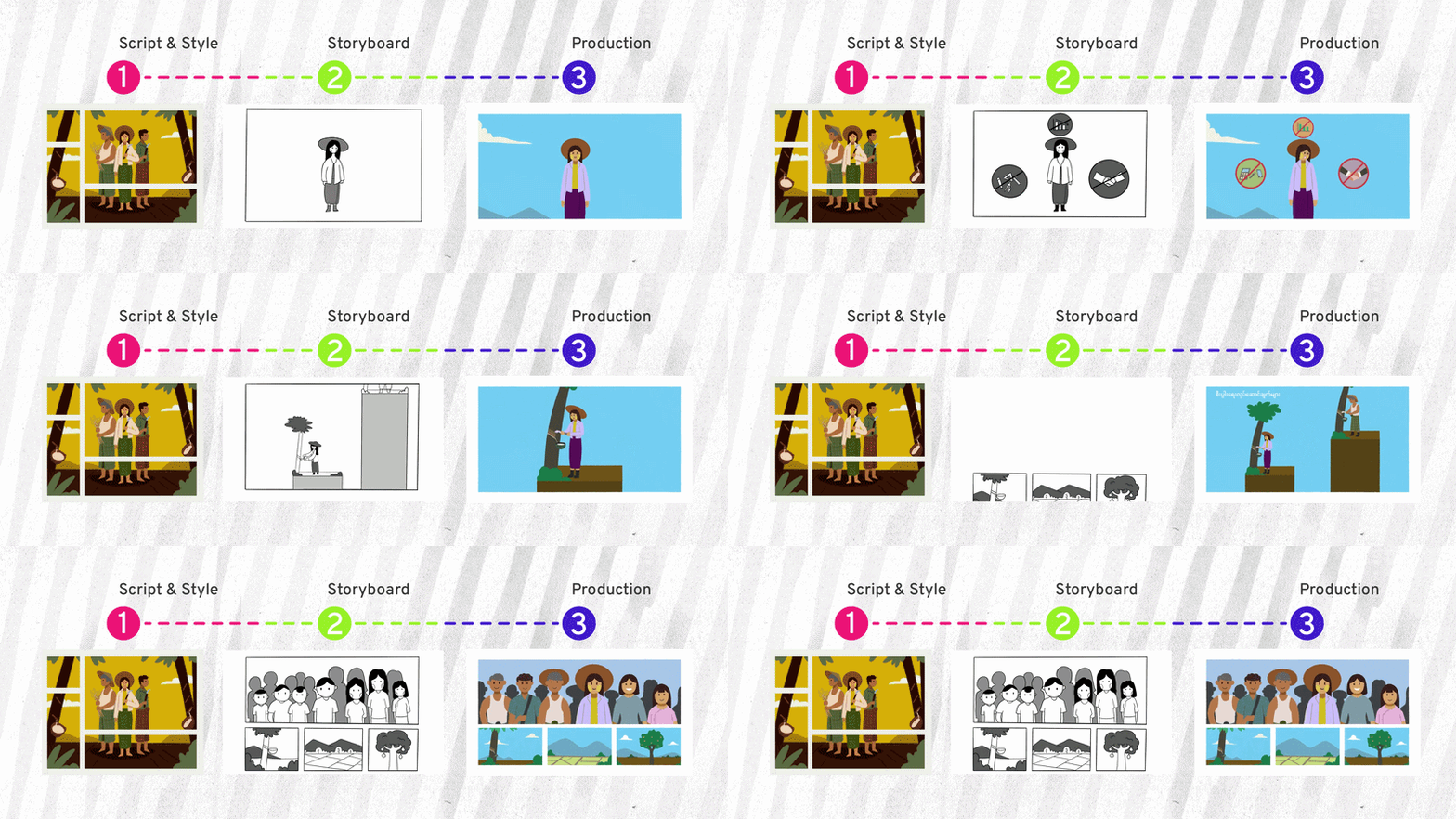
Script & Style
We begin by defining the core message and choosing the animation style that best fits the story, whether subtle motion graphics or expressive frame-by-frame animation.
Storyboard
Next, we sketch each scene like a comic strip. This storyboard acts as the blueprint for the animation and helps align everyone before production begins.
Production
Finally, the animation is created, either by animating designed elements and characters or by drawing each frame by hand, bringing the story to life.
Which Animation Style Should You Choose?
Choose Motion Graphics if your goal is to educate, explain data, or clearly communicate a process.
Choose Frame-by-Frame Animation if you want to tell a deeper, more emotional story with a distinctive artistic touch.
If you’re planning a project that involves animation and aren’t sure which approach fits your story, reach out to Bridge! With experience working across education, humanitarian, and development sectors, we’re always happy to help you choose the right style and bring your ideas to life.

