Capacity Building is the Work, not an Add-on.
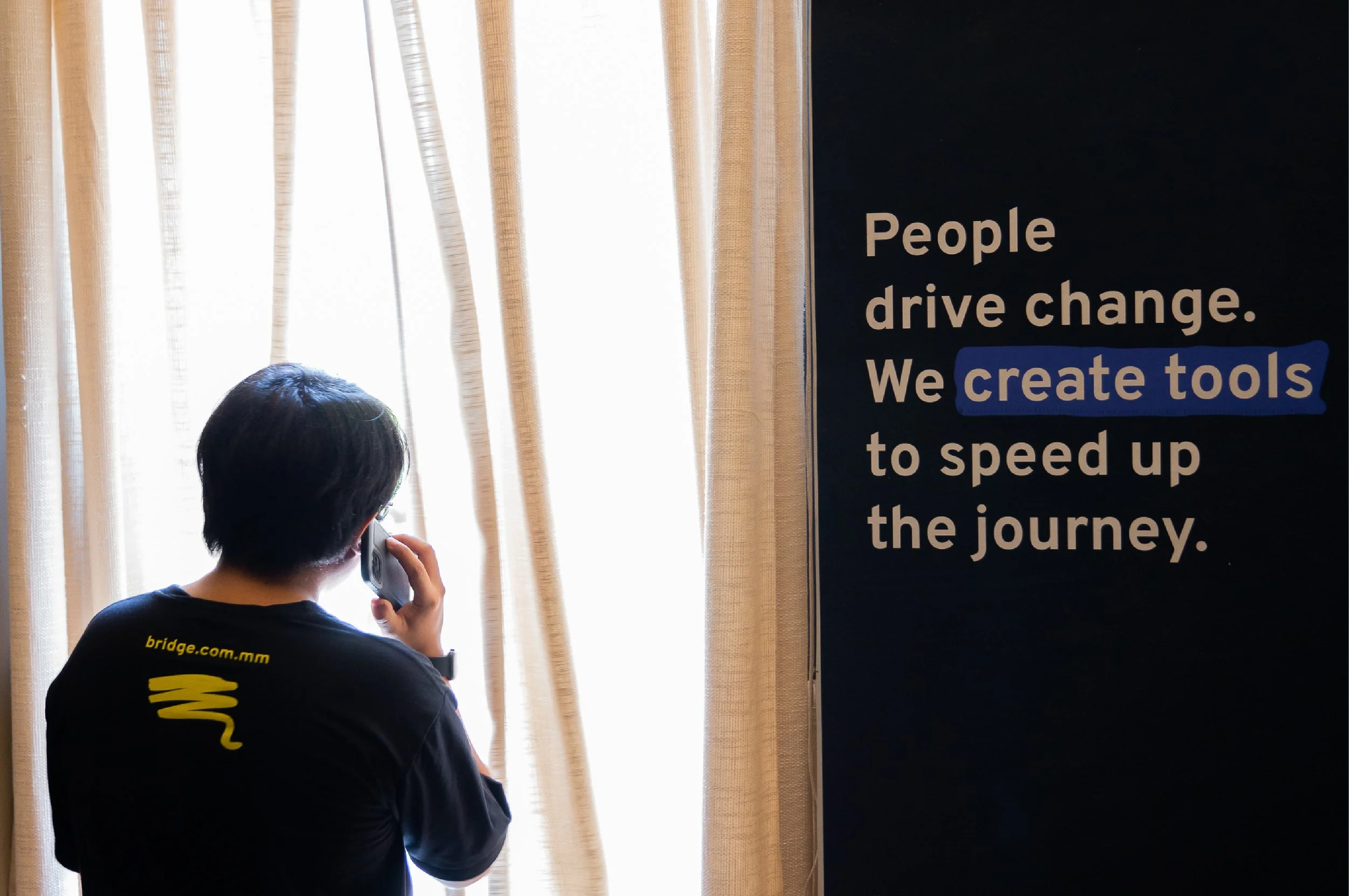
At Bridge we can create the strategy, the campaign, and the report.
But what happens when the campaign ends?
The answer is not another deliverable. It's people.
We believe capacity building is one of the most important—and often overlooked—parts of communications work.
At Bridge, we've learned that successful communication projects are not necessarily ones that reach the highest KPIs on paper. They are ones where teams leave with the ability to understand their audience, tell compelling stories, communicate clearly, and with systems in place to do so consistently, long after the project has ended.
What Communication Capacity Building Actually Looks Like
When people hear "capacity building," they often imagine a one-day training workshop.
But effective communication capacity building goes much deeper.
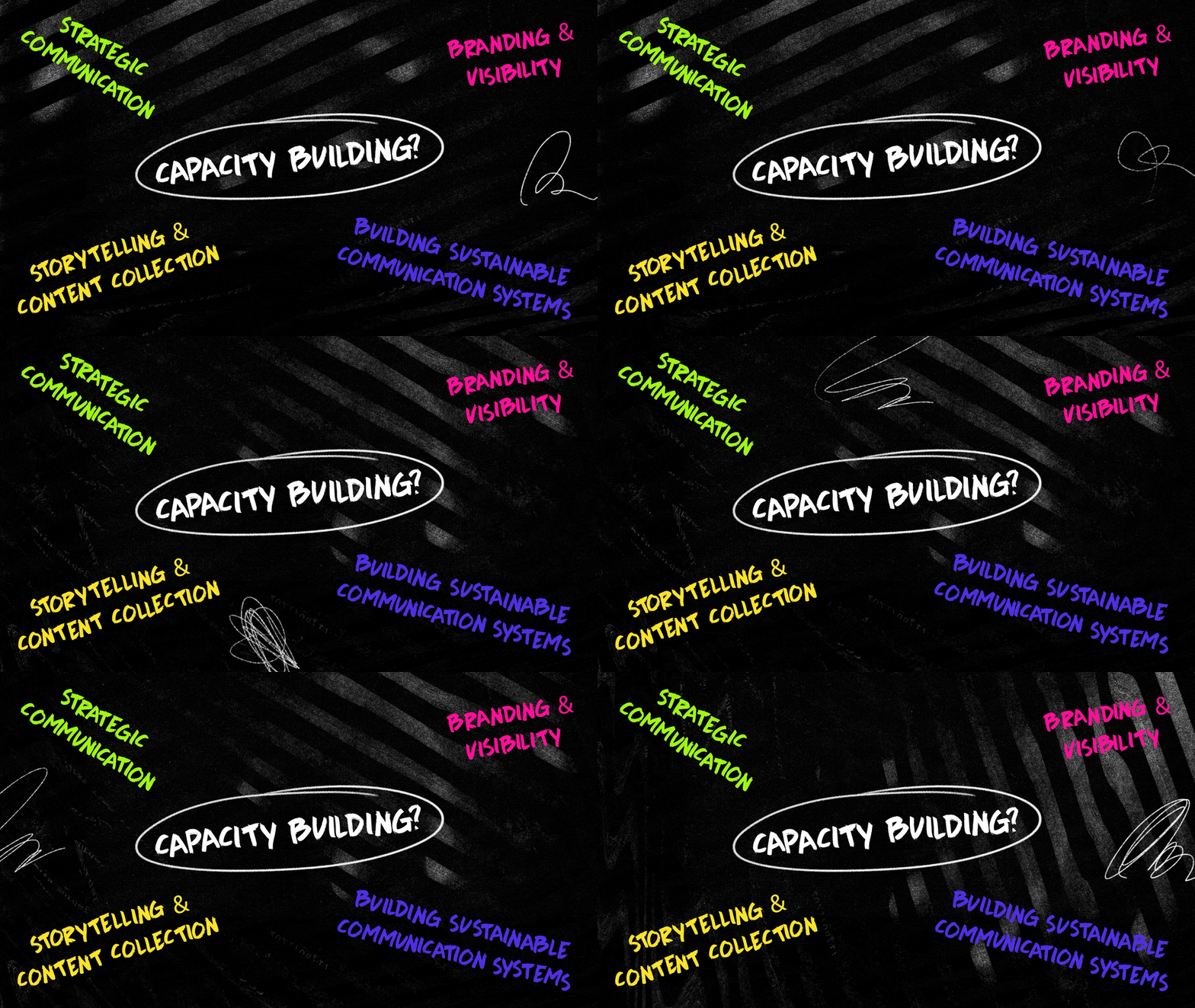
Over the years, Bridge has worked with NGOs, development partners, social enterprises, and conservation organisations to strengthen four key areas of communication.
1. Strategic Communication
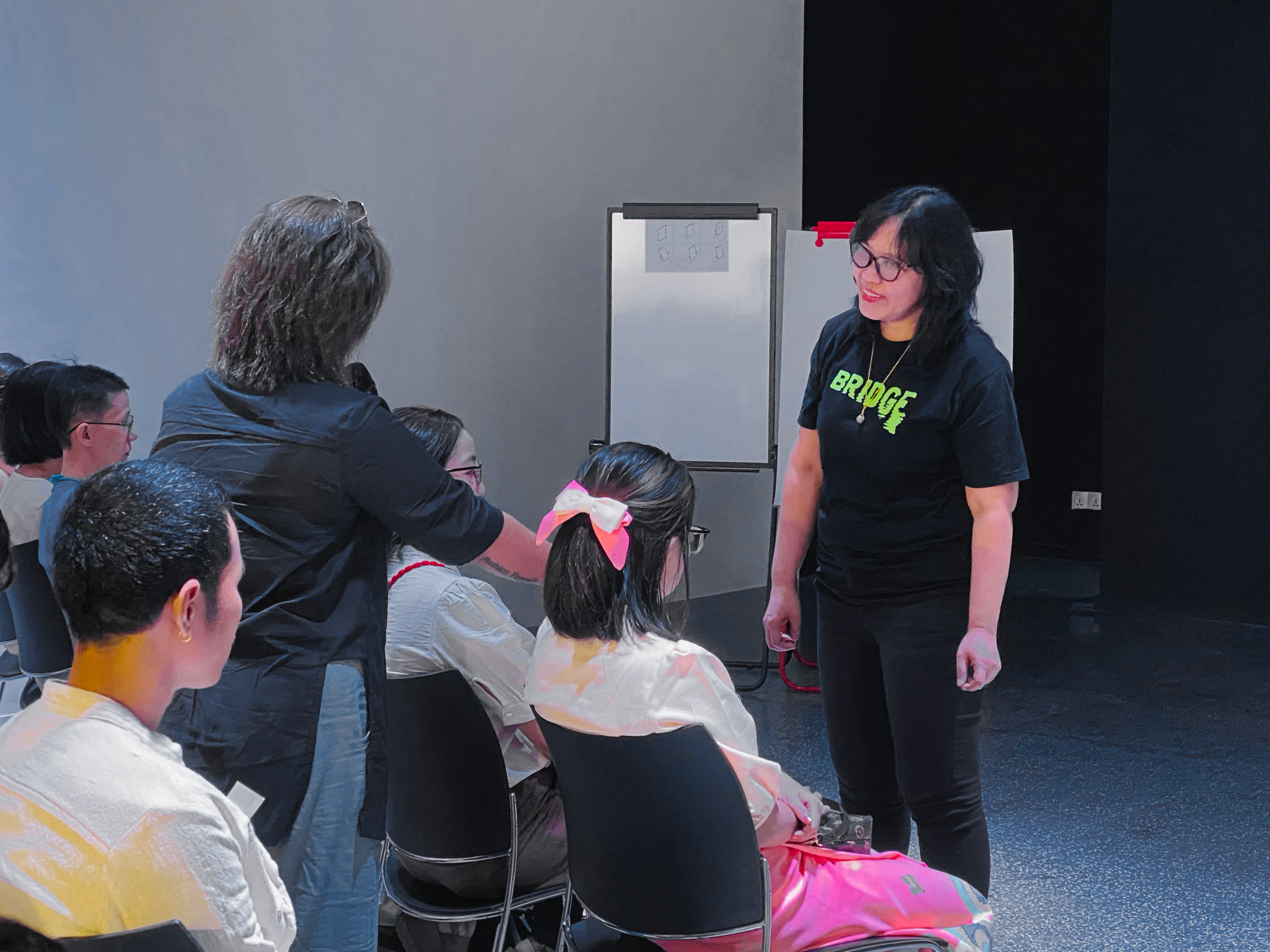
Many organisations are busy communicating but struggle to answer a simple question:
What do we want to be known for?
Our workshops help teams move beyond activity-based communications and think strategically about audiences, objectives, narratives, channels, and impact.
Rather than asking, "What should we post this week?" teams learn to ask, "What do we want people to understand, remember, and do?"
2. Storytelling and Content Collection
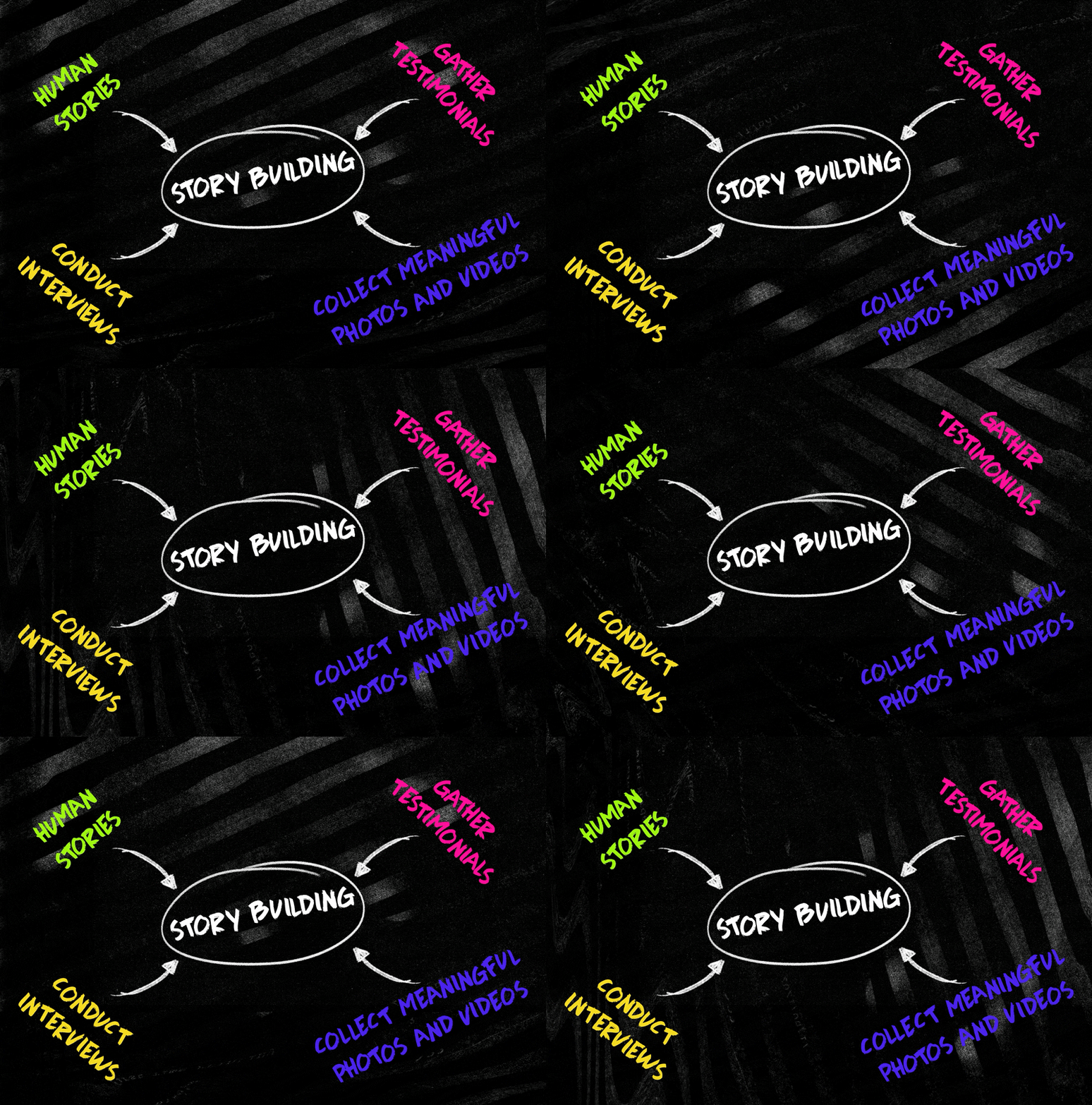
Most organizations already have powerful stories to tell but lack the systems to capture them.
We train teams to identify compelling human stories, conduct interviews, gather testimonials, collect meaningful photos and videos, and turn programme activities into stories that resonate with different audiences.
In one communications training for EU-funded partners, participants explored how stories, data, and lived experiences can work together to demonstrate impact while remaining ethical, safe, and audience-focused.
3. Branding and Visibility
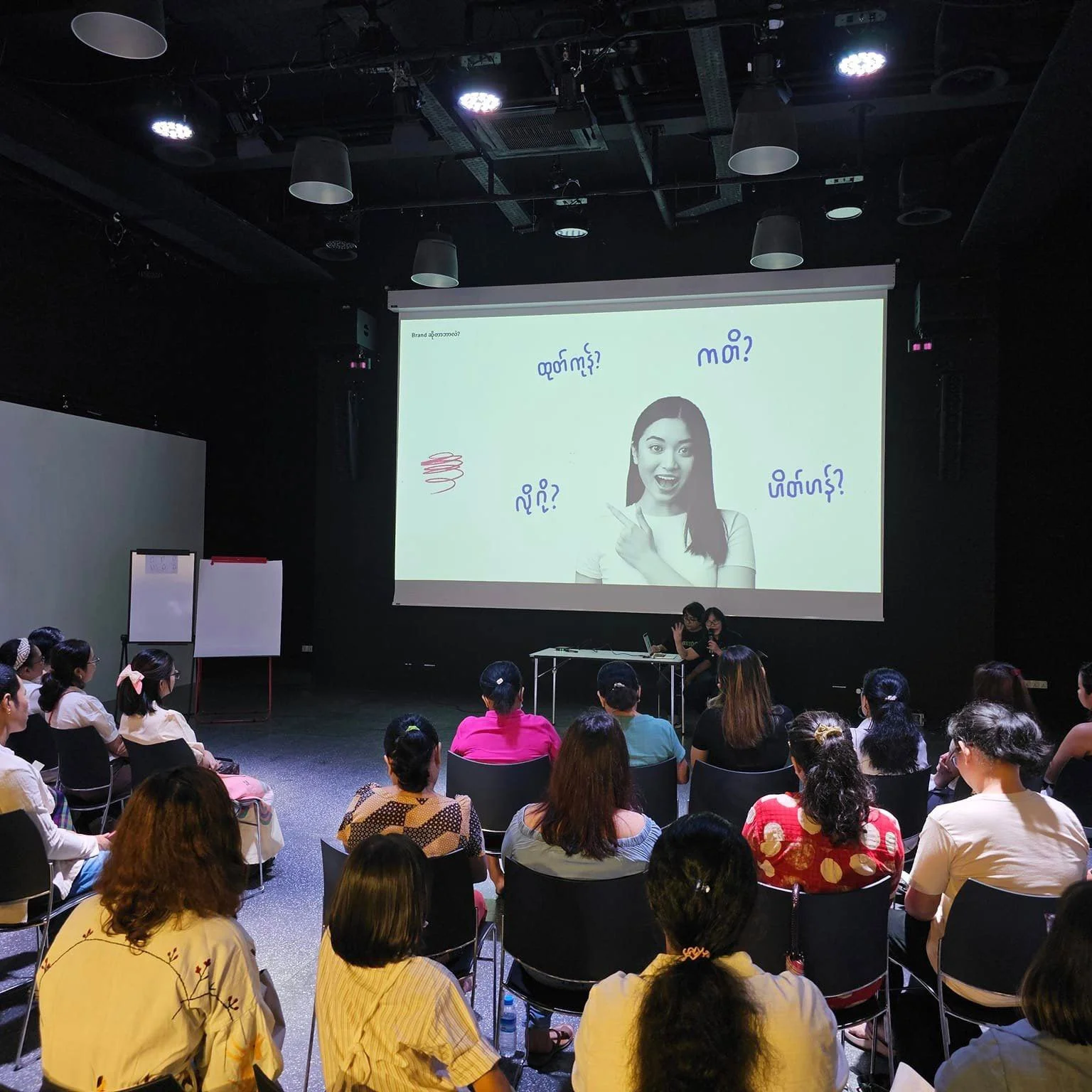
Strong communication requires consistency. Consistency cannot be built unless the organisations know who they are.
We've helped organisations strengthen their brand identity, improve message alignment, and understand visibility requirements across donor-funded projects.
This includes practical guidance on messaging, visual consistency, audience perception, and how organisations can present themselves with greater confidence and clarity.
In a WWF-funded project, we worked with ten local social enterprises to find their own identities to integrate into their brands.
4. Building Sustainable Communication Systems

One of the most common challenges we encounter is not a lack of communication skills or impactful stories - it’s the lack of integrating communications into programs and processes from the start. When communication objectives are clearly identified at the beginning of the project, creating impactful communications is easier and more effective during and at the end. We help organisations to improve their communication processes pragmatically by asking the questions such as:
What should be measured and how can this data be collected and visualized?
Who collects stories from the field?
How are photos archived?
How are success stories documented?
How does programme information reach communication teams?
Capacity building often means helping organisations establish practical systems so communication becomes part of everyday operations rather than a last-minute task.
Interested in storytelling workshops, branding workshops, strategic communication training, or communication capacity building for your organisation? Get in touch at info@bridge.com.mm.